

 Link Copied!


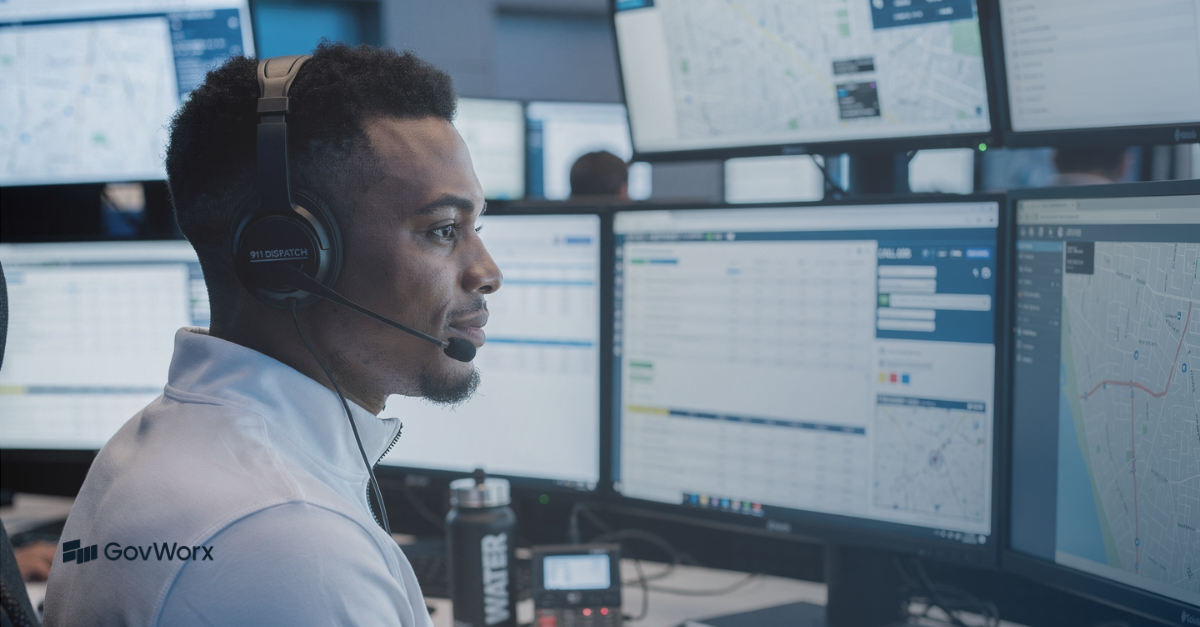
When most people think about how emergency response works, they picture a simple process: someone calls 9-1-1, information is passed along, and help arrives.
But that “straight line” view of public safety is incomplete.
In reality, emergency response is a complex, high-stakes coordination process, and at the center of it is a critical role that often goes overlooked: the 9-1-1 telecommunicator.
A telecommunicator does far more than answer a phone.
They are responsible for:
In other words, they act as the bridge between the caller and first responders, ensuring the right help arrives, in the right way, at the right time.
Public safety is often imagined as fast and frictionless. But real emergencies don’t work that way.
Callers are often:
At the same time, responders need:
The telecommunicator connects these two worlds, turning emotion into clarity and clarity into action.
In the full paper, this role is described as “the middle”, a critical coordination layer that keeps communication from breaking down.
This “middle” function includes:
Without it, communication doesn’t get faster, it gets less reliable.
With the rise of AI in emergency communications, a common question is:
Can we remove the middle?
The short answer: No.
While tools like AI, automation, and digital reporting can support public safety, they cannot replace the coordination role telecommunicators provide.
Public safety is not just a routing problem, it’s a coordination problem.
Technology should support, not replace, telecommunicators. The most effective systems will combine human expertise with tools that enhance speed, clarity, and decision-making.
Because in emergency communications, the “middle” isn’t extra, it’s essential.
For a deeper look at the role of telecommunicators and the future of emergency communications read the full paper.


